- mobile crushing plants
- the benefits of using a mobile crushing plant
- how does a mobile crushing plant work
- mobile jaw crusher
- mobile impact crusher
- mobile cone crusher for sale
- track mounted crushers
- jaw crusher machine
- crusher for sale
- cone crusher for sale
- impact crusher for sale
- rock crusher for sale
- quartz crushing plant
- gravel crusher for sale
- aggregate crushing machine
- concrete crushing machine
- crushing and screening plant
- stone crusher plant
- stone crusher plant setup cost
- what are the uses of stone crusher plant
- stone crushing plant in operation
- granite crusher machine
- limestone crushers
- ball mill machine
- sand making machine
- stone crusher indonesia
- crushing plant for sale in the philippines
- jaw crusher for sale australia
- basalt crusher
- crusher quarry
- how to crush rock
- how much is crusher plant
- how to start stone crusher plant business
- how does a stone crushing plant work
- why do you want to start a stone crushing business
- what are the benefits of stone crusher plant
- what are the applications of stone crusher plant
- how to set up a crusher plant
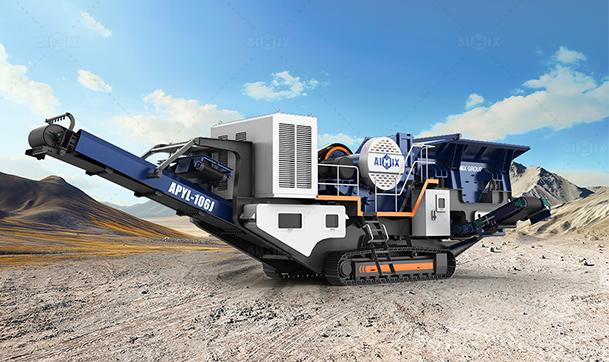
Recycling Guidelines: What a Track Crusher Needs to Meet Local Regulations in Russia
The work of a track-mounted crusher in Russia is a symphony of force and purpose, turning the legacy of old structures into the foundation for new beginnings. Yet, this powerful act of transformation is framed by a vital, parallel responsibility: a profound duty of care for the land and its communities. Navigating the path of mobile crushing here is less about constraint and more about understanding a deeply rooted conversation between industry and environment. Meeting local regulations isn't a mere bureaucratic hurdle; it's a meaningful commitment to operating with respect, foresight, and a genuine desire to leave a positive imprint. This guide illuminates that path, helping your machine not just to process material, but to operate as a conscientious partner within Russia’s unique ecological and regulatory tapestry.
The Foundation: Registration, Permits, and the Russian Ecological Lexicon
Before the first engine starts, a foundation of formal recognition must be laid. This begins with understanding the specific ecological lexicon that governs industrial activity. The cornerstone document is the Ecological Permit(Разрешение на выброс загрязняющих веществ), which authorizes the types and volumes of emissions from your equipment. For a track crusher, this directly addresses dust and potential exhaust parameters. Closely tied to this is the Waste Management License(Лицензия на деятельность по обращению с отходами), as the processed construction and demolition waste you handle is classified under the Federal Waste Catalogue (ФККО). This license affirms your operation’s competency in responsibly managing the material lifecycle. Furthermore, the equipment itself must be documented. Its technical data sheets, translated and notarized, must align with declared emission standards, often requiring validation against Russian ecological class requirements. Securing these permits is a patient, deliberate process of engagement with regional offices of Rosprirodnadzor (the Federal Service for Supervision of Natural Resource Usage). It is the essential first act of stewardship, demonstrating your operation’s intent to be transparent and accountable from the very outset.
The Machine’s Conscience: Technical Specifications for Compliance
A compliant crusher in the Russian context is more than a powerful machine; it is a piece of engineering equipped with a conscience. Its technical specifications are the physical manifestations of regulatory respect. Foremost is the imperative of dust suppression. Regulations mandate a systemic approach, making integrated water spray systems with fine misting nozzles a non-negotiable feature. But true care for air quality goes further. It involves seeking machines designed with protective covers over conveyors and transfer points, and enclosures for screens—design choices that embody the principle of containment. Noise, the often-overlooked emissary of industrial activity, is equally regulated. Machines should be specified with sound-dampening enclosures for hydraulic units and crusher cavities, and engines that meet stringent Stage V or equivalent emission standards. This isn’t just about lower decibels; it’s about minimizing the acoustic footprint on the surrounding landscape. Finally, consider the machine’s inherent vigilance. Modern mobile crushers with built-in telemetry can provide a digital log of operation, fuel use, and even operational parameters that influence emissions. This data isn’t just for efficiency; it’s a tangible record of your operation’s environmental heartbeat, a testament to your commitment to operating within designated boundaries. Choosing a machine with these features is choosing a partner that helps you uphold your covenant with the environment.
A Covenant of Care: Operational Protocols and Site Stewardship
True compliance lives and breathes in the daily rhythm of operation. It’s the practiced art of site stewardship. This begins with a pre-operational ritual: a comprehensive site assessment that identifies sensitive receptors—nearby waterways, residential areas, protected zones. Positioning the crusher becomes a strategic decision, using natural landforms or erected windbreaks to act as a first line of defense against dust migration. Operational protocols are your daily ceremonies of care. This includes maintaining water spray systems with the diligence of a gardener tending precious plants, and scheduling the noisiest crushing activities to align with local ordinances, showing respect for the community’s rhythm. Waste segregation is an act of mindfulness; separating rebar, wood, and other materials at the source is a clear expression of intent to maximize construction waste recycling and minimize what travels to a landfill. Most importantly, cultivate a relationship with the land itself. Regular monitoring, perhaps through simple dust observation pads and noise checks, allows you to listen to the site’s response. Keeping meticulous logs of these observations, fuel consumption, and maintenance creates a narrative of responsible operation. In doing so, you transcend simple rule-following. You build a legacy of trust, demonstrating that progress and preservation can move forward together, one responsible load at a time.
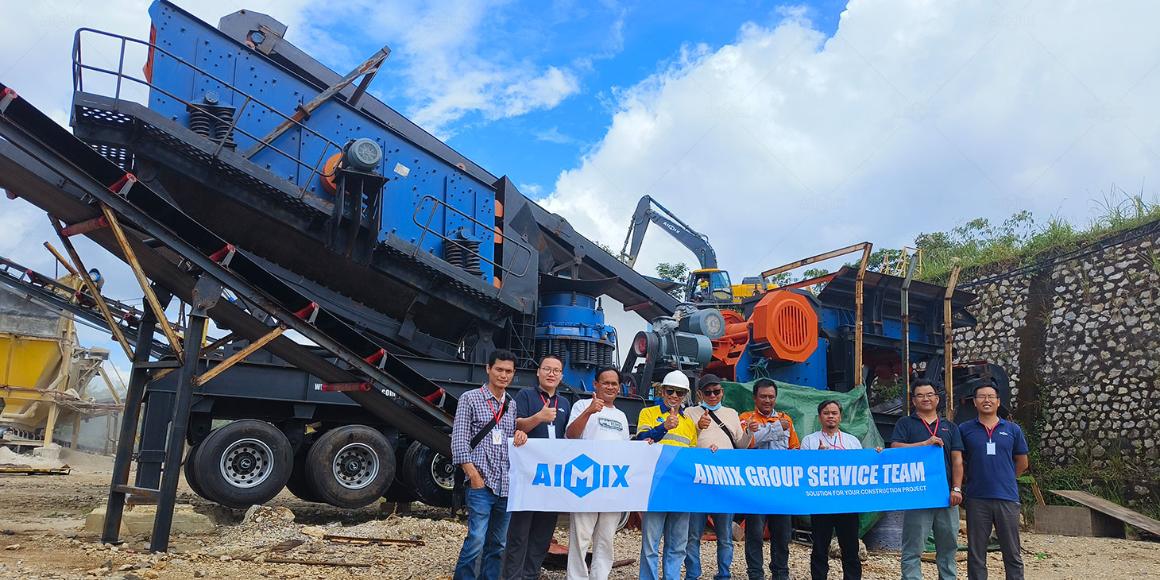
User Experience: Testimonials on Mobile Jaw Crushers for Granite Applications
It is a truth universally acknowledged, that a construction company in possession of a large granite deposit, must be in want of a mobile jaw crusher. Or so the impeccable logic of equipment marketing would have us believe. The reality, as narrated by those who have actually engaged in this geological tête-à-tête, is a far richer and more nuanced tapestry. The testimonials from the field concerning the application of mobile jaw crushers against granite—that most obstinate and unyielding of earthly materials—present a fascinating chronicle of mechanical prowess, logistical absurdity, and hard-won profitability. These are not mere reviews; they are dispatches from the front lines of humanity's perpetual campaign to persuade the planet to be more conveniently shaped.
The Humbling of Granite: From Immovable Object to Manageable Asset
The primary narrative that emerges from user testimonials is one of profound, almost theatrical, subjugation. Granite, long the benchmark for stubborn durability, meets its match in the relentless, rhythmic gnashing of a mobile jaw crusher. One project manager from a quarry in Vermont described the experience as "watching a geological epoch get fast-forwarded." The crusher does not so much break the rock as it convinces it to deconstruct itself into a more socially useful form. The sheer mechanical force applied—a calculated application of hydraulic might that would make a dinosaur wince—reduces formidable boulders, which once required elaborate drilling and blasting campaigns, to a steady, obedient stream of aggregate in a matter of minutes. The users speak with a kind of reverent awe at this alchemical process, where a landscape-altering problem becomes a pile of precisely graded, monetizable product. The crusher, in these accounts, is less a machine and more a diplomat negotiating the surrender of a primordial entity.
Yet, this humbling is not without its theatrical displays of resistance. The testimonials are peppered with lurid descriptions of the sonic landscape: a cacophony of violent compression and fracturing that becomes the site's new, deafening heartbeat. Operators note the machine’s demeanor changes with the material; a low, grumbling vibration indicates a satisfactory crush, while a sharp, percussive report signals an encounter with a particularly unyielding quartz vein or, on one memorable occasion, a forgotten excavator tooth that had been swallowed by the stone. The stone crusher machine, users attest, possesses a kind of stoic personality, consuming its rocky diet with a mix of indifference and occasional, noisy indigestion.
The Delicate Ballet of Logistics: A Study in Contradictions
For all its brute-force capabilities, the mobile jaw crusher's greatest virtue, according to its users, is its paradoxical nimbleness. The ability to bring the mountain to Mohammed, or more accurately, to bring the factory to the mountain, is a logistical paradigm shift so profound it borders on the comical. One site foreman from a project in the Scottish Highlands recounted the sheer absurdity of watching the massive, track-mounted unit pick its way with dainty precision across a heather-strewn slope, a scene he likened to "a ballet dancer in steel-toed boots." This mobility eliminates the most Sisyphean aspect of traditional crushing: the endless procession of dump trucks hauling raw feed to a stationary plant, a practice now viewed with the same nostalgic pity we reserve for dial-up internet.
This newfound agility, however, introduces its own brand of sophisticated chaos. The testimonials reveal that operating a mobile crusher is less about raw power and more about orchestrating a perfectly synchronized material flow. The machine’s appetite is prodigious and unforgiving. An excavator that cannot keep pace is chided not with words, but with the impatient, metallic clanking of an empty jaw. The strategic placement of the unit to minimize belt length while maximizing stockpile area becomes a subject of intense, almost philosophical debate among crews. There is a recurring theme in these accounts: the crusher does not simply perform a task; it dictates a tempo and a spatial arrangement to which every other piece of equipment and every worker must diligently conform. It is the tyrannical conductor of a very loud, very dusty orchestra.
The Economic Alchemy: Turning Geological Obstinance into Profit
Beneath the spectacle of power and the comedy of logistics lies the cold, hard calculus of finance, and it is here that the user testimonials achieve their most effusive tone. The mobile jaw crusher for sale is not merely a tool; it is an instrument of economic alchemy. Contractors speak of "monetizing inertia" and "liquefying geology." The business model transforms overnight from one of mass excavation and transport to one of on-site value addition. The cost savings from eliminating dozens of daily truck cycles—each one a rolling expense account of fuel, maintenance, and driver wages—are so significant that one accountant, in a rare moment of unbridled enthusiasm, was reported to have actually smiled.
The final, and perhaps most telling, testimonial comes from the ledger. Projects that were once marginal due to haulage costs suddenly become profit centers. Material that was considered overburden or waste is re-evaluated and fed into the crusher's insatiable maw, emerging as saleable product. This newfound ability to create a high-value commodity from what was previously a nuisance fosters a kind of resourceful glee among site managers. The mobile jaw crusher, in the final analysis, is celebrated not just for what it breaks, but for what it builds: a more resilient, efficient, and profoundly profitable operation. It is the difference between wrestling with a mountain and having it for lunch.
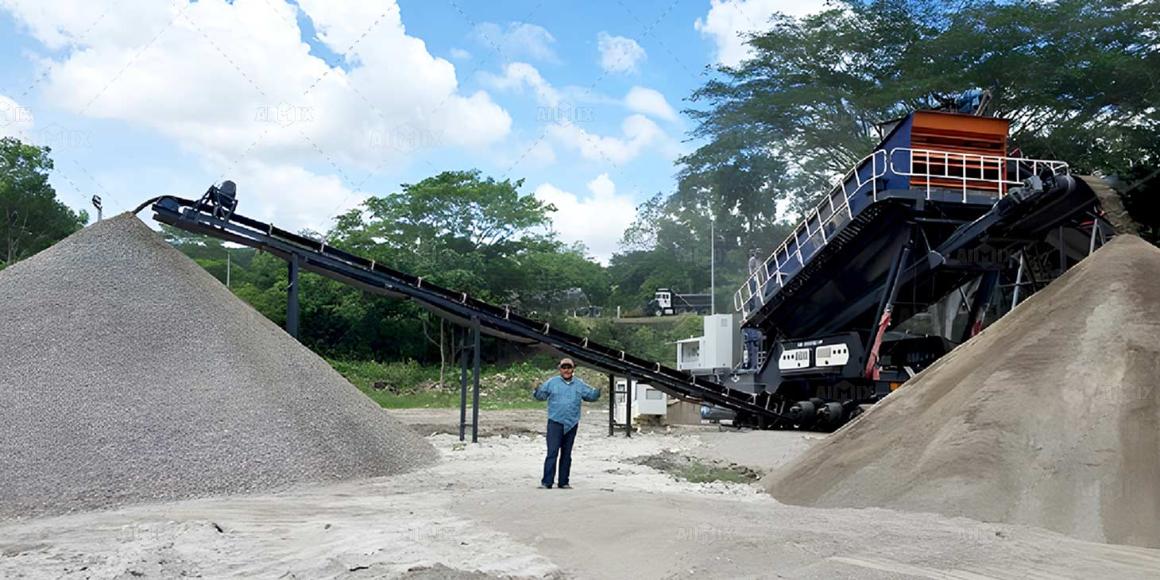
Cost-Efficient Crushing: Match the Right Granite Crusher to Your Material
A granite crusher plant is a significant investment, and making the right financial choices can drastically impact long-term profitability. Granite, known for its high compressive strength and abrasive nature, demands specialized granite crusher machine that can handle its toughness without excessive wear. Selecting the right stone crusher machine type and distributing the budget wisely ensures not only operational efficiency but also a sustainable return on investment.
Assessing Material Characteristics and Crusher Selection
Granite’s density and abrasive texture accelerate wear on crushing components, making material selection crucial when configuring a plant. Harder materials exert immense pressure on jaw plates, hammers, and liners, leading to increased replacement cycles. This makes it essential to choose a granite crusher machine that balances power and durability.
- Jaw crushers offer robust primary crushing for large granite blocks, handling high compressive strength with ease. However, they may require secondary crushing for finer output.
- Cone crushers provide superior reduction ratios, making them ideal for mid-to-fine crushing stages. Their ability to handle continuous loads extends wear part lifespan compared to impact crushers.
- Impact crushers deliver high-speed reduction, ideal for shaping aggregate. However, they come with higher wear costs due to the constant force applied to granite’s hard surface.
Selecting the wrong crusher type can lead to inefficient processing and skyrocketing maintenance expenses, making careful assessment a necessity.
Balancing Initial Investment with Long-Term Costs
The most cost-effective solution isn’t always the cheapest upfront. While some aggregate crushers come with a lower initial price tag, they may have higher energy demands, maintenance needs, or part replacement rates.
- Energy efficiency plays a pivotal role in budgeting. Machines with higher throughput per kWh can cut operational costs over time.
- Maintenance and wear part expenses should be factored into total ownership costs. Lower-priced crushers often have inferior components, leading to frequent replacements and costly downtime.
Investing in durable, high-efficiency crushers ensures a lower cost per ton of processed granite, making the plant more financially sustainable in the long run.
Smart Budget Allocation for Maximum ROI
A well-optimized budget doesn’t just focus on the gravel crusher itself but on the entire ecosystem of crushing operations.
- Prioritize key components such as wear-resistant liners and reinforced jaw plates to extend operational uptime.
- Automated control systems help regulate feed rates and optimize power usage, preventing unnecessary strain on machinery.
- Aftermarket support and spare parts availability should be considered to avoid costly delays when replacements are needed.
Granite crushing is a demanding process, but with strategic investment and intelligent cost planning, a stone crusher plant can achieve high efficiency without excessive expenditure. By selecting the right crusher type, balancing capital vs. operational expenses, and allocating funds wisely, operators can maximize their budget while ensuring long-term profitability.
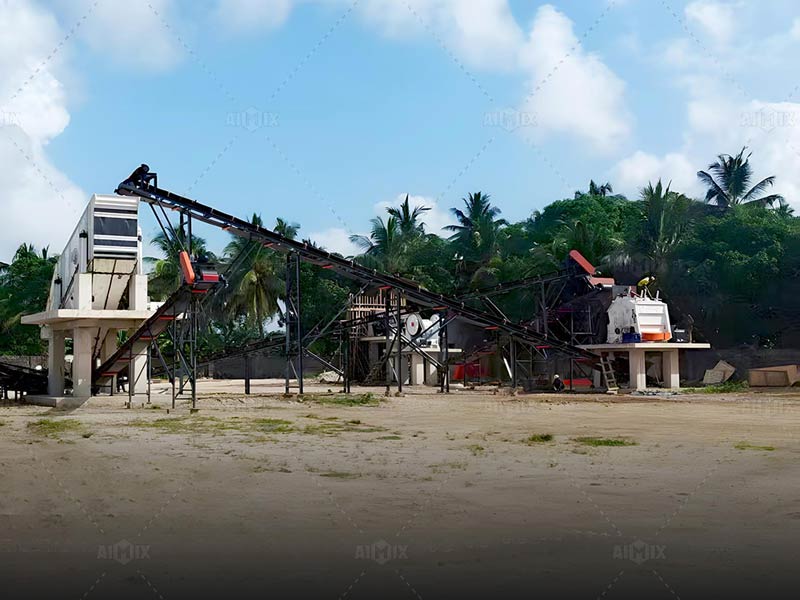
Eco-Friendly Road Building: Low-Dust Gravel Crushers for Urban Areas
Urban development has long been entangled with environmental trade-offs, particularly when it comes to road construction. The proliferation of airborne particulate matter, resulting from traditional gravel crushing techniques, poses a serious health hazard in densely populated zones. As cities expand and public health scrutiny intensifies, the demand for environmentally conscious construction methods becomes imperative. At the core of this shift lies a quiet innovation—low-dust gravel crushers specifically engineered for urban use. These machines are reshaping municipal road building with a precision that aligns productivity with public health and sustainability.
The deployment of low-dust crushers is no longer a fringe concept. It is an urgent response to rising urban air quality regulations and community resistance to conventional quarrying methods. The technologies in question are not merely technical upgrades—they represent a transformative approach to infrastructure development that acknowledges the fragile intersection of progress and preservation.
Redefining the Urban Crusher
Technological Shifts in Dust Suppression
Modern low-dust gravel crushers incorporate advanced containment systems, including integrated water misting arrays, negative pressure chambers, and vacuum-assisted enclosures. These features work synergistically to capture airborne particulates before they become atmospheric pollutants. Unlike older models that rely on external containment efforts, new-generation crushers suppress dust at the point of origin—eliminating dispersion rather than attempting to mitigate it after the fact.
Electrostatic precipitation systems have also found their way into high-capacity urban crushers. These mechanisms attract and neutralize charged dust particles, reducing emissions with surgical accuracy. Combined with acoustic insulation, these crushers also operate at reduced decibel levels—addressing not only air quality but also urban noise pollution. The integration of multiple mitigation techniques reflects a growing recognition: urban construction machinery must be as considerate as it is capable.
Compliance with Stringent Environmental Codes
Low-dust crushers are built to meet and exceed urban emission standards, particularly those mandated by agencies such as the European Environmental Bureau and U.S. EPA. These stone crusher plants often come pre-certified for particulate emissions, enabling contractors to bypass lengthy regulatory hurdles. Furthermore, their design allows operation in constrained job sites without endangering nearby populations or sensitive ecosystems.
This technological compliance ensures that urban projects can proceed without incurring legal or reputational liabilities. In practice, cities deploying low-dust gravel systems witness a reduction in community complaints, lower project delays, and improved public trust. The machines are not only tools—they are instruments of accountability.
Operational Benefits in Urban Infrastructure Projects
Efficiency without Environmental Compromise
Contrary to the assumption that environmental responsibility hinders output, low-dust gravel crushers consistently deliver competitive performance metrics. With automated feed control and adaptive crushing algorithms, they optimize throughput while maintaining particle uniformity. The result is high-quality gravel suitable for sub-base and asphalt production, without compromising ecological standards.
Moreover, these crushers support on-site mobility. Their compact footprint and reduced emission trails allow operators to set up closer to construction zones, slashing logistical costs and carbon emissions tied to material transport. This synergy of proximity and precision is essential in cities where space and time are equally scarce.
Long-Term Cost Efficiency
Investing in low-dust crushing equipment yields financial returns that extend far beyond initial capital outlays. Maintenance schedules are minimized due to dust-resistant mechanical components, and operational uptime improves as filters, bearings, and airways experience less contamination. Labor costs associated with dust cleanup and air monitoring also diminish over time.
Perhaps more significantly, contractors gain strategic advantage in competitive bidding processes by showcasing environmentally compliant technologies. The ability to meet environmental criteria without sacrificing speed or quality is increasingly regarded as a premium capability in public sector tenders.
A Sustainable Foundation for Urban Expansion
Public Health as a Construction Metric
Low-dust gravel crushers reframe road building as a public health initiative. By curbing silica and PM10 emissions, these systems contribute to better respiratory outcomes for urban populations, particularly those in proximity to construction zones. Vulnerable groups—children, the elderly, and individuals with pre-existing conditions—benefit the most from reduced airborne particulates.
As health and urban design become increasingly interlinked, equipment that actively reduces risk is poised to become indispensable. The future of infrastructure demands that machines not only build but protect. In this context, low-dust aggregate crushers are more than mechanical solutions—they are ethical imperatives.
Urban Growth with Ecological Integrity
Balancing urban expansion with environmental responsibility requires more than regulatory compliance—it calls for innovation. Low-dust crushers exemplify this balance by enabling rapid road construction while respecting ecological boundaries. Their deployment in metropolitan environments is a strategic move toward urban systems that are as sustainable as they are functional.
With cities projected to host 68% of the global population by 2050, the machinery used to build them must reflect the values of the societies they serve. Low-dust gravel crushers represent a pivotal shift in construction ethos—one that honors progress without compromising planetary stewardship.
Stone Crusher Plant Business Plan Template: Costs, Pricing & Profit Projections
So, you’ve got a rock-solid idea—literally—to start a stone crusher plant. You’ve imagined trucks rumbling in with raw boulders, crushers growling with productive rage, and conveyor belts humming a sweet tune of industrial success. But hold up, before you grab a helmet and start barking orders, let’s talk numbers, logistics, and whether this business can crush more than just stones. A great business starts with a smarter-than-average plan—especially in the heavy machinery sector, where mistakes come with price tags the size of a small yacht. Whether you're aiming to dominate a regional construction supply chain or just want to dip your boots in the dust of profit, having a detailed business plan with actual costs, smart pricing, and realistic profit projections is the key to not turning your big idea into gravel. Let’s break it down like a jaw crusher on overdrive.Startup Costs: Crushing More Than Rocks
Land, Machinery & Infrastructure
Before you even think about flipping the switch on your first stone crusher, you’ll need to secure land. And not just any patch of dirt—zoning laws, accessibility to roads, and proximity to raw material sources all factor in. Expect to cough up anywhere between $50,000 to $200,000 depending on the location and size. Next up: machinery. This isn’t your cousin’s leaf blower. You’ll need primary crushers (jaw or gyratory), secondary crushers (cone or impact), conveyors, feeders, screens, dust control systems, and possibly a generator. A mid-sized setup can run you anywhere from $250,000 to $750,000. If you’re planning to lease, subtract a few zeros—but don't forget about regular maintenance and servicing. And don’t ignore infrastructure. You’ll need a weighbridge, staff cabins, drainage, a proper electrical layout, and oh yes, a safety zone unless you enjoy lawsuits. Budget at least another $50,000 to $100,000 to keep the legal gremlins away.Licensing, Legal & Compliance
Stone crushing isn’t exactly a weekend hobby. You’ll need to wade through environmental clearances, mining permits, pollution control board approvals, and local municipal licenses. And no, a handshake deal with your uncle’s friend in the zoning department doesn’t count. Depending on your country and region, expect to shell out anywhere from $10,000 to $50,000 just for the paperwork circus. Better hire a legal consultant who speaks fluent red tape.Pricing Strategy: Not All Rocks Are Created Equal
Understanding Market Demand
Here’s the fun part: your crushed stones don’t sell themselves. Construction companies, road contractors, and precast concrete manufacturers want quality—and consistency. Fine aggregates for concrete need to meet tight specs. Coarse aggregates for road base must pass compaction tests. So, pricing depends on particle size, composition, and cleanliness. You could price crushed stone anywhere between $10 to $30 per ton, depending on your region and grade. Specialty aggregates? They can go for $40+ if they sparkle just right (or meet highway specs).Smart Pricing Models
Don’t just slap a price tag and hope for the best. Factor in production costs per ton (fuel, labor, maintenance, wear & tear), then apply a markup—usually 30% to 60%. Include transport if you operate a delivery fleet. Offer volume discounts for big buyers, but don’t go so low you need to crush your calculator in frustration. Keep pricing dynamic, especially when fuel or material costs fluctuate. Pro tip: always keep one eye on local competition and the other on your profit margins.Profit Projections: From Dust to Dollars
Operational Costs and Margins
Let’s get into the nitty-gritty. If your plant processes 100 tons a day, with a cost of $12 per ton (all-in), and you sell at $22 per ton, you’re pocketing $10 per ton in gross profit. That’s $1,000 a day, or $30,000 a month—assuming full capacity. But remember to account for operational black holes like equipment downtime, unplanned maintenance, rising diesel costs, and that one employee who treats the excavator like a go-kart. Realistically, net profit margins hover between 20% to 35% in the early years.Scaling Up and Expanding Capacity
Want to make real money? Scale. Add a second shift. Expand to new geographic markets. Upgrade your crushers for higher efficiency. With better economies of scale, your cost per ton drops, your margins fatten, and your accountant smiles more than usual. But don’t grow too fast. Monitor ROI religiously, and keep cash flow liquid. The stone crusher business is profitable, but only if you avoid crushing your finances with reckless expansion.Conclusion
Launching a stone crusher plant isn’t child’s play, but with the right plan, it can be a rock-solid venture. Nail your costs, craft a pricing model that’s both competitive and sane, and map out realistic profit projections. Get these elements right, and you’ll be laughing all the way to the quarry—and the bank.Stone Crusher Plant Business Plan Template: Costs, Pricing & Profit Projections
So, you’ve got a rock-solid idea—literally—to start a stone crusher plant. You’ve imagined trucks rumbling in with raw boulders, crushers growling with productive rage, and conveyor belts humming a sweet tune of industrial success. But hold up, before you grab a helmet and start barking orders, let’s talk numbers, logistics, and whether this business can crush more than just stones. A great business starts with a smarter-than-average plan—especially in the heavy machinery sector, where mistakes come with stone crusher plant price tags the size of a small yacht. Whether you're aiming to dominate a regional construction supply chain or just want to dip your boots in the dust of profit, having a detailed business plan with actual costs, smart pricing, and realistic profit projections is the key to not turning your big idea into gravel. Let’s break it down like a jaw crusher on overdrive.Startup Costs: Crushing More Than Rocks
Land, Machinery & Infrastructure
Before you even think about flipping the switch on your first stone crusher, you’ll need to secure land. And not just any patch of dirt—zoning laws, accessibility to roads, and proximity to raw material sources all factor in. Expect to cough up anywhere between $50,000 to $200,000 depending on the location and size. Next up: machinery. This isn’t your cousin’s leaf blower. You’ll need primary crushers (jaw or gyratory), secondary crushers (cone or impact), conveyors, feeders, screens, dust control systems, and possibly a generator. A mid-sized setup can run you anywhere from $250,000 to $750,000. If you’re planning to lease, subtract a few zeros—but don't forget about regular maintenance and servicing. And don’t ignore infrastructure. You’ll need a weighbridge, staff cabins, drainage, a proper electrical layout, and oh yes, a safety zone unless you enjoy lawsuits. Budget at least another $50,000 to $100,000 to keep the legal gremlins away.Licensing, Legal & Compliance
Stone crushing isn’t exactly a weekend hobby. You’ll need to wade through environmental clearances, mining permits, pollution control board approvals, and local municipal licenses. And no, a handshake deal with your uncle’s friend in the zoning department doesn’t count. Depending on your country and region, expect to shell out anywhere from $10,000 to $50,000 just for the paperwork circus. Better hire a legal consultant who speaks fluent red tape.Pricing Strategy: Not All Rocks Are Created Equal
Understanding Market Demand
Here’s the fun part: your crushed stones don’t sell themselves. Construction companies, road contractors, and precast concrete manufacturers want quality—and consistency. Fine aggregates for concrete need to meet tight specs. Coarse aggregates for road base must pass compaction tests. So, pricing depends on particle size, composition, and cleanliness. You could price crushed stone anywhere between $10 to $30 per ton, depending on your region and grade. Specialty aggregates? They can go for $40+ if they sparkle just right (or meet highway specs).Smart Pricing Models
Don’t just slap a price tag and hope for the best. Factor in production costs per ton (fuel, labor, maintenance, wear & tear), then apply a markup—usually 30% to 60%. Include transport if you operate a delivery fleet. Offer volume discounts for big buyers, but don’t go so low you need to crush your calculator in frustration. Keep pricing dynamic, especially when fuel or material costs fluctuate. Pro tip: always keep one eye on local competition and the other on your profit margins.Profit Projections: From Dust to Dollars
Operational Costs and Margins
Let’s get into the nitty-gritty. If your plant processes 100 tons a day, with a cost of $12 per ton (all-in), and you sell at $22 per ton, you’re pocketing $10 per ton in gross profit. That’s $1,000 a day, or $30,000 a month—assuming full capacity. But remember to account for operational black holes like equipment downtime, unplanned maintenance, rising diesel costs, and that one employee who treats the excavator like a go-kart. Realistically, net profit margins hover between 20% to 35% in the early years.Scaling Up and Expanding Capacity
Want to make real money? Scale. Add a second shift. Expand to new geographic markets. Upgrade your crushers for higher efficiency. With better economies of scale, your cost per ton drops, your margins fatten, and your accountant smiles more than usual. But don’t grow too fast. Monitor ROI religiously, and keep cash flow liquid. The stone crusher business is profitable, but only if you avoid crushing your finances with reckless expansion.Conclusion
Launching a stone crusher plant isn’t child’s play, but with the right plan, it can be a rock-solid venture. Nail your costs, craft a pricing model that’s both competitive and sane, and map out realistic profit projections. Get these elements right, and you’ll be laughing all the way to the quarry—and the bank.Smart Crushing On-the-Go: Mobile Jaw Crushers for Quarrying & Recycling
The evolution of jaw crushers has revolutionized the quarrying and recycling industries, introducing a level of mobility and efficiency previously unimaginable. Mobile jaw crushers are not merely machines; they are symbols of innovation, designed to tackle the challenges posed by traditional stationary models. With the ability to move directly to the material source, these crushers have become indispensable tools for operators seeking to optimize workflows, minimize transportation costs, and enhance overall productivity. This article delves into the multifaceted advantages of jaw crusher mobile, exploring their robust functionality and pivotal role in modern resource management.
Unparalleled Mobility and Efficiency
At the heart of mobile jaw crushers lies their remarkable mobility. Unlike their stationary counterparts, mobile units can traverse diverse terrains, allowing operators to position them precisely where they are needed most. This flexibility not only streamlines the crushing process but also significantly reduces the time and costs associated with transporting materials.
Adaptable Design for Varied Environments
The design of mobile jaw crushers is inherently adaptable, making them suitable for a wide range of environments—from rugged quarries to urban construction sites. Their compact footprint enables them to navigate tight spaces, while robust tracks ensure stability on uneven ground. This adaptability means that operators can deploy these machines in an array of settings without compromising performance.
Enhanced Productivity Across Applications
With their swift setup times and ease of operation, mobile jaw crushers enhance productivity in both quarrying and recycling applications. In quarrying, they facilitate the rapid processing of raw materials, enabling faster extraction and delivery to downstream operations. In recycling scenarios, these crusher equipment efficiently process construction waste, transforming it into reusable aggregates. This dual capability underscores the versatility and efficiency of mobile jaw crushers.
Cost-Effectiveness and Sustainability
Mobile jaw crushers are not just efficient; they are also cost-effective solutions that align with sustainable practices. By minimizing the need for extensive transportation and infrastructure modifications, these machines contribute to reduced operational costs and lower carbon footprints.
Reduced Transportation Costs
One of the most significant advantages of mobile jaw crushers is their ability to eliminate hefty transportation expenses. By bringing the crusher to the material instead of the other way around, companies can save on fuel costs, vehicle maintenance, and labor associated with transporting heavy loads. This economic benefit is particularly pronounced in remote locations where access is limited.
Support for Circular Economy Initiatives
Mobile jaw crushers play a pivotal role in promoting sustainability by supporting circular economy initiatives. By efficiently processing recyclable materials, they aid in reducing waste and conserving natural resources. This alignment with eco-friendly practices not only enhances a company's reputation but also appeals to environmentally conscious consumers and stakeholders.
The Future of Mobile Crushing Technology
As technology advances, the future of mobile jaw crushers looks promising. Innovations in automation, energy efficiency, and connectivity are set to further enhance their functionality and ease of use. The integration of smart technologies will enable operators to monitor performance in real-time, optimizing operations and ensuring maximum efficiency.
In conclusion, mobile jaw crushers are much more than mere machinery; they are essential allies in the quest for efficiency, cost savings, and sustainability in quarrying and recycling. Their unparalleled mobility, adaptability, and economic benefits make them a cornerstone of modern material processing, paving the way for a more efficient and environmentally responsible future.
The 5-Step Process to Make High-Quality Construction Aggregates with Limestone Crusher Plants
Limestone is one of the most widely used raw materials in construction, forming the backbone of roads, buildings, and infrastructure projects. However, not all limestone aggregates are created equal. The quality of construction aggregates depends on precise processing, from raw material extraction to final screening. By optimizing each step, limestone crusher plants can efficiently produce aggregates that meet stringent industry standards. Below, we break down the five critical steps required to transform limestone into high-quality construction aggregates.
Step 1: Extraction and Primary Crushing
Responsible Quarrying for Consistent Raw Material
High-quality aggregates start with the selection of the right limestone deposits. Quarry operators must assess the geological composition to ensure the limestone contains minimal impurities. Controlled blasting and excavation techniques help in reducing waste while ensuring uniformity in material size.
Breaking Down Large Rocks with Primary Crushers
Once extracted, limestone boulders undergo primary crushing. Jaw crushers or impact crushers are typically used to reduce large stones into manageable sizes. This step is crucial as it sets the stage for further refinement, ensuring the material feeds smoothly into the next processing phase.
Step 2: Secondary and Tertiary Crushing
Refining the Aggregate Size
Secondary crushers, such as cone crushers, further reduce the limestone into specific gradations. This ensures that the aggregates are uniform in size, improving their workability and performance in concrete and asphalt applications.
Fine-Tuning with Tertiary Crushers
For projects requiring finer aggregates, tertiary crushers such as vertical shaft impact (VSI) machines help in shaping the final product. This stage is critical for producing manufactured sand and finely crushed limestone aggregates with excellent compaction properties.
Step 3: Screening and Grading
Ensuring Uniformity with High-Precision Screens
Once the limestone has been crushed into the desired sizes, it is passed through multiple screening decks. These vibrating screens separate the aggregates based on predefined size specifications. Proper screening eliminates oversized or undersized particles, ensuring consistency in the final product.
Grading for Diverse Applications
Different construction projects require aggregates of varying sizes. Grading ensures that aggregates are classified correctly, whether for road base, concrete production, or high-performance asphalt mixes.
Step 4: Washing and Cleaning
Removing Impurities for Premium-Quality Aggregates
Dust, clay, and organic materials can compromise the strength and durability of aggregates. Washing systems, including log washers and hydrocyclones, are used to clean the crushed limestone thoroughly.
Enhancing Workability and Strength
Clean aggregates bond better with cement and asphalt, improving structural integrity. Removing fines and impurities also enhances water absorption properties, making aggregates more durable in varying weather conditions.
Step 5: Stockpiling and Quality Control
Proper Stockpiling Techniques
Even after processing, handling aggregates correctly is essential. Segregation or contamination during stockpiling can reduce product quality. Using radial stackers and maintaining dedicated stockpile areas minimizes mixing of different aggregate grades.
Rigorous Quality Testing
Before aggregates are dispatched to construction sites, they undergo strict quality control checks. Testing for parameters such as compressive strength, abrasion resistance, and moisture content ensures that only the best aggregates are used in projects.
Conclusion
Producing high-quality construction aggregates from limestone crusher plant is a meticulous process that requires precision at every stage. From quarrying and crushing to screening, washing, and quality control, each step plays a vital role in ensuring the final product meets industry standards. By implementing best practices in these five steps, limestone processing plants can consistently deliver superior aggregates that enhance the strength and durability of construction projects.
Ah, limestone—the unsung hero of the construction world. While everyone raves about concrete skyscrapers and highways, few acknowledge the humble rock that makes it all possible. This calcium-rich sedimentary rock doesn’t just sit around looking pretty; it plays a crucial role in cement production. Without limestone, the entire cement industry would crumble—literally. But before it can be transformed into the magical gray powder that binds our buildings together, it has to be crushed, pulverized, and prepped for processing. Enter the unsung workhorses of the industry: limestone crusher. Without them, limestone would remain in its natural, inconveniently unprocessed state. Let’s explore why limestone is cement’s best friend and how crushers make the relationship work.
The Irreplaceable Role of Limestone in Cement Production
Chemical Composition: The Backbone of Cement
Limestone isn’t just any rock; it’s a rock with a purpose. Packed with calcium carbonate (CaCO3), it provides the essential lime needed for cement production. When subjected to high temperatures in a kiln, limestone undergoes thermal decomposition, releasing carbon dioxide and leaving behind calcium oxide—also known as quicklime. This is the foundational ingredient for making clinker, the precursor to cement. Without limestone, cement production would require an expensive chemistry experiment to replicate what nature has provided for free.
Abundance and Accessibility: A Cement Maker’s Dream
Unlike rare earth minerals or exotic ores, limestone is available in abundance. It’s found all over the world, making it a cost-effective and sustainable choice for cement manufacturers. The widespread availability ensures that cement plants don’t have to depend on imports, keeping costs down and production efficient. The only challenge? Getting it from its raw, bulky form into a usable size. And that’s where crushers come in.
How Crushers Make Limestone Cement-Ready
Primary Crushing: Breaking Down the Behemoth
Raw limestone isn’t exactly ready for the kiln straight out of the quarry. It arrives in massive chunks, far too large to be processed efficiently. That’s where primary crushers—like jaw crushers and gyratory crushers—step in. These industrial-grade machines take the massive limestone boulders and break them down into more manageable sizes. Think of them as the first step in turning a mountain into a cement bag.
Secondary and Tertiary Crushing: Refining the Raw Material
Once the initial crushing is done, the limestone still isn’t quite ready for cement production. Enter secondary and tertiary crushers—cone crushers and impact crushers—that refine the material further, reducing it to fine particles. The goal is to achieve the optimal size for the kiln, ensuring efficient processing and better clinker formation. Without these stages, cement plants would be dealing with inefficient heating and inconsistent product quality.
The Bottom Line: Crushers Keep Cement Flowing
Efficiency and Sustainability in Cement Production
Crushers do more than just break rocks—they make cement production economically viable. By processing limestone efficiently, they reduce waste, improve energy use, and streamline the supply chain. This means fewer resources wasted, lower costs for manufacturers, and ultimately, more affordable cement for construction projects worldwide.
Why Cement Needs Crushers More Than Ever
With global infrastructure expanding at an unprecedented rate, the demand for cement is skyrocketing. Aggregate crusher ensures that limestone processing keeps up with demand, making it possible to build everything from roads to high-rises. Without them, cement production would be slower, more expensive, and far less efficient. In short, limestone might be the heart of cement, but crushers are the muscle that keep the industry moving.
So next time you admire a towering skyscraper or drive on a smooth concrete road, remember the real MVPs behind the scenes: limestone and its crushing companions. Without them, the modern world would quite literally fall apart.
Gravel Sizes: Matching Crusher Outputs to Your Project Needs
Choosing the right gravel size is a pivotal decision that influences structural integrity, drainage efficiency, and overall project success. Crusher outputs vary significantly, producing aggregates of different sizes suited for specific applications. Understanding the correlation between gravel crusher settings and the resulting gravel gradation is essential for achieving optimal performance in construction, roadwork, and landscaping projects. The improper selection of gravel size can lead to structural weaknesses, material wastage, and increased costs. Therefore, a comprehensive approach to gravel size selection, aligned with project requirements, is indispensable.
Understanding Crusher Outputs and Aggregate Sizing
Types of Crushers and Their Output Ranges
Different crushers produce varying aggregate sizes, dictated by their operational mechanisms and design configurations. Jaw crushers, renowned for their primary crushing capability, typically yield coarse aggregates ranging from 50mm to 150mm. Cone crushers, with adjustable settings, refine materials further into medium-sized gravel (10mm to 50mm). Meanwhile, impact crushers excel in producing fine aggregates below 10mm, ideal for concrete production and road surfacing.
Factors Influencing Crusher Output Sizes
Several parameters dictate the final aggregate size, including feed material hardness, rotor speed, crusher gap settings, and screening efficiency. Harder rocks necessitate powerful aggregatge crushers to achieve desired fragmentation. Conversely, finer aggregates require precise control of discharge settings and screening methodologies to ensure uniform particle distribution. Understanding these factors enhances predictability in gravel production.
Choosing the Right Gravel Size for Your Project
Structural and Load-Bearing Considerations
For load-bearing applications such as foundations and road bases, coarse aggregates (20mm to 50mm) provide the necessary compaction strength. These gravel sizes interlock efficiently, forming a stable base that resists shifting and settlement under heavy loads. Selecting an inappropriate gravel size for such projects can compromise structural integrity, leading to premature failures.
Drainage and Aesthetic Applications
Gravel size selection also plays a crucial role in drainage efficiency and visual appeal. For instance, 10mm to 20mm aggregates are ideal for drainage layers, allowing optimal water percolation while preventing clogging. Conversely, finer aggregates below 10mm serve as decorative gravel for landscaping, pathways, and garden aesthetics, balancing functionality with visual refinement.
Optimizing Crusher Settings for Maximum Efficiency
Adjusting Crusher Parameters for Targeted Output
Optimizing crusher settings ensures the production of aggregates that precisely match project specifications. Adjusting jaw crusher gaps, fine-tuning cone crusher eccentric throws, and regulating impact crusher rotor speeds enable precise control over output gradation. These adjustments enhance overall productivity and material quality.
Screening and Quality Control Measures
Screening processes separate oversized and undersized materials, ensuring consistent aggregate sizing. Implementing rigorous quality control measures—such as sieve analysis and real-time monitoring—guarantees adherence to project requirements. Integrating automated screening technology further enhances precision, reducing material inconsistencies.
How to Choose the Right Stone Crusher Plant Without Overpaying
Choosing the right stone crusher plant for your business or project is an important decision. It's not just about picking a machine that will get the job done—it's about selecting one that aligns with your needs while staying within budget. With so many options available, it can be overwhelming to figure out what’s worth your investment. However, with the right knowledge and understanding of the key factors involved, you can make a decision that ensures optimal performance without overspending.
Understanding the Different Types of Stone Crusher Plants
The first step in selecting the right stone crusher portable is understanding the various types available and what they are best suited for. This knowledge allows you to compare the benefits of each type and determine which one is most appropriate for your specific application.
Jaw Crushers
Jaw crushers are among the most common and affordable stone crushers. They are typically used for primary crushing and are effective for breaking down larger stones into smaller, more manageable pieces. These machines are known for their durability and simple design, but they may not offer the same level of precision as more advanced crushers.
Impact Crushers
If your project requires the creation of finer aggregates, an impact crusher might be the right choice. These machines are known for producing high-quality, uniform materials and are especially suited for materials like limestone and asphalt. However, impact crushers tend to be a bit pricier due to their enhanced capabilities.
Cone Crushers
Cone crushers are ideal for secondary or tertiary crushing, offering greater precision and handling harder materials. While they tend to be more expensive than jaw crushers, their efficiency in producing uniform particle sizes makes them a valuable investment for large-scale projects.
Factors Affecting the Price of Stone Crusher Plants
Price variation in stone crusher plants is influenced by several factors. While it's easy to get caught up in comparing base prices, understanding the key contributors to cost will help you evaluate whether you are getting the right value for your money.
Machine Capacity
One of the most significant factors affecting the price of a stone crusher plant is its processing capacity. Machines that can handle higher volumes of material typically come at a higher price point. It's essential to match the machine's capacity to your actual project requirements to avoid overspending. A plant with more processing power than you need may seem like an attractive option but could unnecessarily increase your costs.
Material and Build Quality
Another factor that contributes to the price is the material quality and build of the machine. High-quality materials that ensure durability and resistance to wear and tear will cost more initially, but they can lead to significant savings in maintenance and repair costs over time. When evaluating a crusher, consider not only the upfront price but also the cost of ownership over its entire lifespan.
Additional Features
Advanced features such as automation, remote monitoring, and enhanced safety mechanisms can drive up the stone crusher plant price. While these features improve operational efficiency, they may not always be necessary for smaller projects. Consider the benefits of these features in relation to your specific needs before committing to additional costs.
Making the Right Choice Without Overpaying
After understanding the types and factors affecting the price, it’s time to focus on how to make the right choice without overpaying. The key is to strike a balance between functionality, performance, and budget.
Evaluate Your Project Requirements
The most important step is evaluating your project’s requirements. Assess the type of materials you’ll be working with, the amount of output you need, and the scale of the operation. This will give you a clear idea of the type of crusher you need, its capacity, and the features that will be most beneficial. The more specific you are about your needs, the more likely you are to avoid paying for unnecessary features.
Consider Total Cost of Ownership
When choosing a stone crusher plant, it's crucial to consider the total cost of ownership. This includes not just the initial purchase price but also ongoing maintenance, fuel consumption, and potential repair costs. A more expensive machine with a higher build quality may save you money in the long run due to fewer breakdowns and longer operational life.
Do a Thorough Market Comparison
Lastly, always take the time to compare prices from different suppliers. A plant may seem like a great deal at one price, but similar machines from other manufacturers could offer better features or lower operating costs. Getting quotes from multiple sources will help you make a well-informed decision and avoid overpaying.
Choosing the right stone crusher plant requires thoughtful consideration of the type, features, and total cost of ownership. By understanding your specific needs, evaluating key factors, and comparing options, you can find a plant that not only fits your budget but also serves your operational requirements effectively.
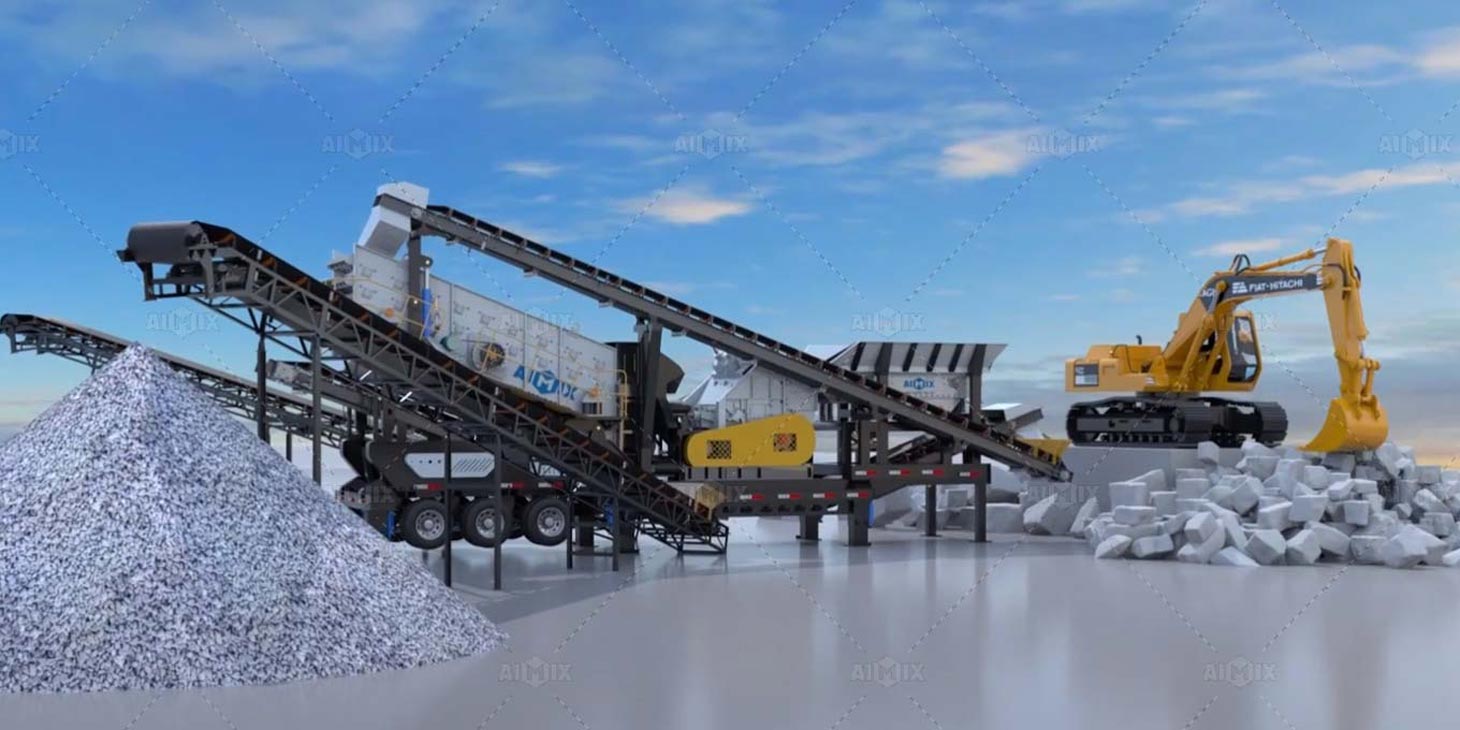
How Does the Mobile Crusher Machine Produce The Aggregate for Construction?
The construction industry is undergoing a transformative phase, driven by innovations that streamline processes and enhance efficiency. Among these innovations is the mobile crusher machine, a pivotal tool in the production of aggregate. This versatile machinery not only facilitates the crushing of materials on-site but also significantly reduces transportation costs and time delays. Understanding the mechanics behind mobile aggregate crusher for sale is essential for industry professionals seeking to optimize their operations and ensure high-quality aggregate production.
The Mechanism of Mobile Crushers
Mobile crushers operate through a series of intricate mechanisms that work in concert to break down large materials into smaller, manageable pieces. These machines are designed to be agile and efficient, allowing them to be transported easily between job sites. The primary components include a feeder, crusher, and conveyor system, each playing a vital role in the aggregate production process.
Feeding Mechanism
The feeding mechanism is the initial stage in the aggregate production process. It involves the introduction of raw materials, such as rocks or demolition debris, into the mobile crusher. Typically, this is accomplished using a vibrating feeder, which regulates the flow of material to ensure a consistent feed rate. This component is crucial, as it helps prevent blockages and optimizes the efficiency of the crushing process.
Crushing Process
At the heart of the mobile crusher lies the crushing process, where the actual reduction of material size occurs. This is typically achieved through various types of crushers, including jaw crushers, impact crushers, and cone crushers. Each type employs different methods to fracture the material. For instance, jaw crushers utilize compressive force, while impact crushers rely on high-speed impacts to shatter the material. The choice of crusher affects the final aggregate's size, shape, and quality, making it a critical decision for operators.
Conveying and Screening
Once the material has been crushed, the next step involves transporting the aggregate for further processing or delivery. This is where the conveyor system comes into play. Conveyors efficiently move the crushed material to screening units, where it is sorted according to size. Screening is vital for producing aggregate that meets specific industry standards. Well-screened aggregate ensures uniformity and enhances the structural integrity of construction projects.
Benefits of Using Mobile Crushers
The adoption of mobile crushers in aggregate production offers a myriad of advantages that extend beyond mere convenience. These machines are instrumental in minimizing the environmental impact of construction activities. By crushing materials on-site, they reduce the need for transporting large quantities of raw materials, thereby lowering carbon emissions. Moreover, mobile crusher for sale contributes to sustainability by recycling demolition debris into usable aggregate, promoting the circular economy.
Cost Efficiency
Cost-effectiveness is another significant benefit of mobile crushers. By eliminating transportation expenses and reducing material waste, these machines facilitate a more economical approach to aggregate production. Additionally, their ability to operate on-site reduces the need for extensive infrastructure, further enhancing financial viability.
Adaptability and Versatility
Mobile crushers are highly adaptable and can be utilized in various environments, from urban construction sites to remote locations. Their versatility allows operators to tackle a diverse range of materials, making them indispensable in the modern construction landscape. As the industry evolves, the role of mobile crushers will undoubtedly become more pronounced, driving further advancements in aggregate production.